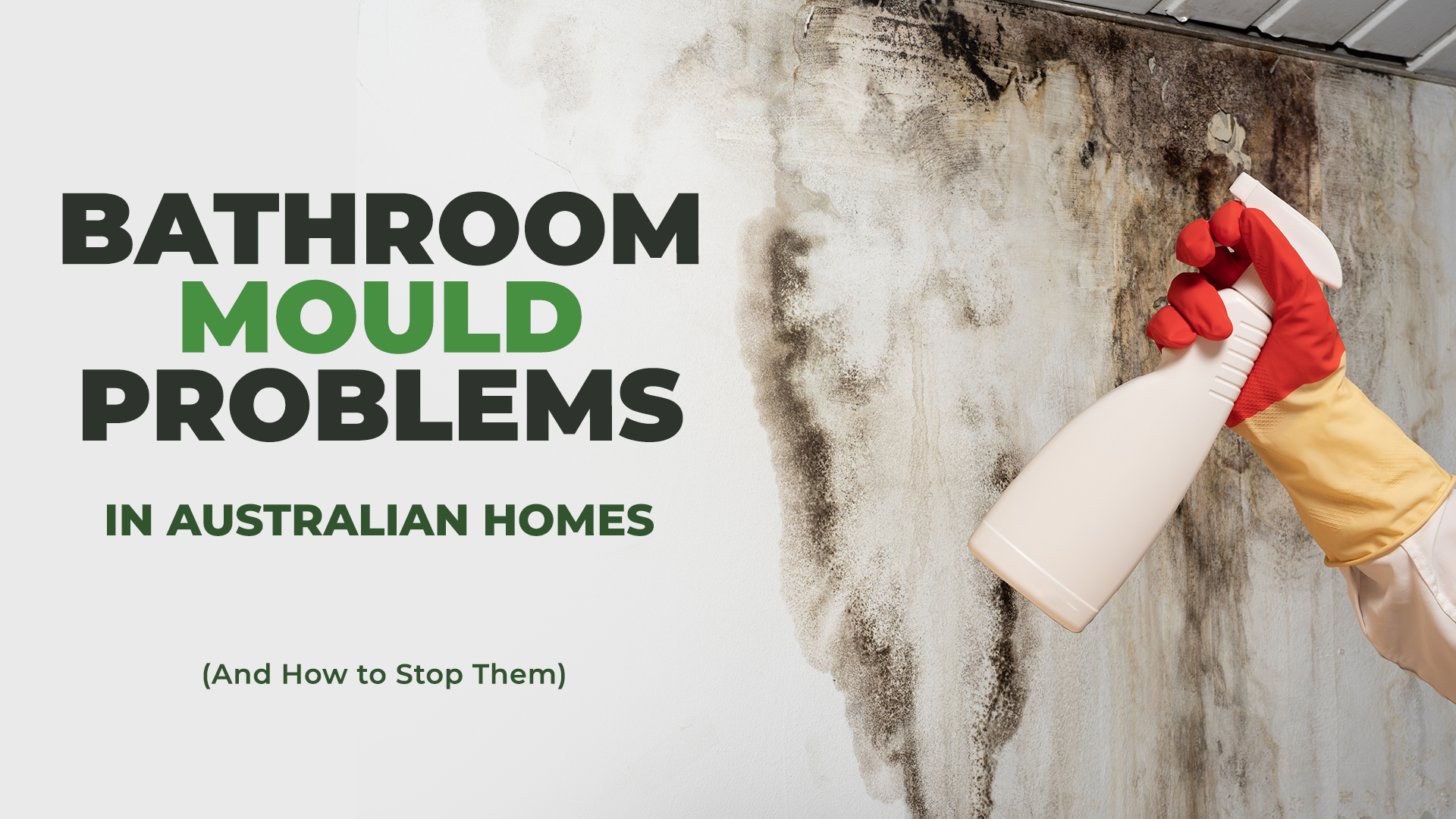
Australia’s climate creates the perfect environment for bathroom mould growth. Warm temperatures, high humidity, condensation and poor airflow often combine to create damp bathroom conditions where mould thrives. From coastal homes to older rental properties, many Australians struggle with persistent mould in bathroom spaces that keeps returning no matter how often it is cleaned.
Left untreated, mould can damage paint, grout, ceilings and walls while also affecting indoor air quality and respiratory health. In severe cases, hidden mould can spread behind walls and ceilings, creating expensive structural issues.
This guide explains the main bathroom mould problems in Australian homes, the causes behind recurring mould growth, effective prevention strategies, and when to seek professional help.
Why Bathroom Mould Is So Common in Australian Homes

Many parts of Australia experience humid conditions throughout the year, especially coastal regions. Seasonal rainfall and moisture-heavy air make it easier for mould spores to grow indoors.
High humidity levels increase the likelihood of bathroom humidity problems, moisture and mould, particularly in homes with limited ventilation.
Bathrooms Generate Constant Moisture
Bathrooms naturally create moisture every day through:
- Hot showers
- Wet floors and surfaces
- Steam build-up
- Damp towels and bath mats
- Poor airflow after showering
This constant moisture creates ideal conditions for bathroom mould problems and recurring mould in bathroom areas.
The Most Common Causes of Bathroom Mould

Poor Ventilation
One of the leading causes of bathroom mould in Australia is poor ventilation. Bathrooms without windows or properly functioning exhaust fans trap humid air inside the room.
Common ventilation problems include:
- Faulty exhaust fans
- Fans venting into roof cavities
- No windows or airflow
- Blocked vents
This often leads to severe bathroom ventilation mould growth.
Condensation Build-Up
Condensation forms when warm steam meets cold surfaces such as ceilings, mirrors and tiles.
Frequent hot showers can create persistent mould from condensation, especially during the winter months.
Hidden Water Leaks
Leaks are another major contributor to mould growth.
Examples include:
- Leaking shower bases
- Cracked grout
- Damaged waterproofing membranes
- Pipe leaks behind walls
Even small leaks can create long-term moisture problems.
Even small leaks can create long-term moisture problems. When the source of moisture is difficult to identify, professional Mould Inspection Services can help locate hidden leaks, damp building materials and moisture pockets that may be contributing to recurring bathroom mould growth.
Mould-Friendly Surfaces
Certain bathroom materials hold moisture more easily, including:
- Grout lines
- Silicone seals
- Porous ceiling paint
- Timber skirting boards
These areas commonly develop mould on bathroom ceiling surfaces and around showers.
Signs Your Bathroom Has a Serious Mould Problem

Black Spots on Ceilings
Dark patches spreading across ceilings often indicate severe moisture problems. Persistent bathroom ceiling mould may signal inadequate ventilation or hidden leaks.
Mould Around Shower Grout
Persistent mould in shower grout is extremely common in Australian bathrooms. Grout absorbs moisture easily, making it a breeding ground for mould spores.
Persistent Musty Smell
A strong musty odour usually indicates hidden mould growth behind walls, ceilings or cabinetry.
Recurring Mould Despite Cleaning
If mould keeps returning after cleaning, the underlying moisture source has likely not been resolved.
Recurring black mould bathroom growth often requires professional assessment.
Health Risks Associated with Bathroom Mould
Respiratory Irritation
Mould spores can irritate the respiratory system, causing:
- Sneezing
- Coughing
- Wheezing
- Sinus irritation
Allergies and Asthma
Mould exposure may worsen asthma symptoms and allergic reactions.
Indoor Air Quality Concerns
Unchecked mould growth reduces indoor air quality and spreads spores throughout the home.
As mould spores become airborne, they can travel beyond the bathroom and affect other living spaces. Professional Indoor Air Quality Services can assess airborne contamination levels and help identify whether mould is impacting the overall indoor environment of the property.
Risks for Children and Elderly Residents
Young children, elderly residents and people with respiratory conditions are particularly vulnerable to mould exposure.
How to Stop Bathroom Mould Before It Starts
Improve Bathroom Ventilation
Good airflow is essential for effective bathroom mould prevention.
Open windows whenever possible and ensure exhaust fans remove steam effectively.
Use Exhaust Fans Correctly
Run exhaust fans:
- During showers
- For at least 20 minutes afterwards
- Daily in humid weather
This helps reduce bathroom mould after showering.
Reduce Humidity Levels
You can lower bathroom humidity by:
- Using a dehumidifier
- Keeping doors open after showering
- Drying towels outdoors
- Limiting steam build-up
Dry Wet Surfaces Daily
Wipe down shower screens, tiles and benches after use to reduce lingering moisture.
Repair Leaks Immediately
Address leaks as soon as they appear to prevent structural dampness.
Upgrade Bathroom Waterproofing
Older bathrooms may require updated waterproofing to stop moisture penetration.
DIY Bathroom Mould Removal vs Professional Mould Remediation
When DIY Cleaning Works
Minor surface mould can often be managed with routine bathroom mould cleaning and proper ventilation improvements.
Small affected areas may respond to:
- Vinegar-based cleaning
- Commercial mould cleaners
- Grout scrubbing
- Surface drying
However, if mould repeatedly returns or affects larger areas, professional Mould Removal Services are often needed to address the underlying cause and achieve longer-lasting results.
When Professional Help Is Required

Large outbreaks, recurring mould and hidden moisture problems often require professional mould removal.
A qualified mould remediation company can identify hidden mould sources and prevent regrowth.
Hidden Mould Behind Walls and Ceilings
Surface cleaning alone cannot remove mould hidden inside walls or ceilings.
Professional bathroom mould treatment may involve moisture testing, containment and specialised remediation.
Where mould growth is linked to leaks, flooding or prolonged moisture exposure, Water Damage Restoration may also be required to repair affected materials and reduce the risk of future mould outbreaks.
Why Mould Keeps Returning
Many homeowners ask: Why does mould keep coming back in my bathroom?
The answer is usually unresolved moisture, poor airflow or hidden structural dampness.
Professional bathroom mould removal targets the root cause rather than just surface stains. For households dealing with persistent mould issues, specialised Residential Mould Removal solutions can provide a more comprehensive approach to long-term mould prevention.
Why Bathroom Mould Keeps Coming Back
Inadequate Ventilation
Without proper airflow, moisture remains trapped after showering.
Unresolved Moisture Sources
Leaks, rising damp and condensation problems continue feeding mould growth.
Damaged Silicone and Grout
Cracked grout and deteriorated silicone allow moisture penetration.
Hidden Structural Dampness
Water trapped behind tiles or walls can lead to ongoing mould outbreaks.
When to Call a Professional Mould Removal Specialist
You should contact a mould removal specialist if you notice:
- Large mould outbreaks
- Persistent recurring mould
- Water damage
- Strong musty smells
- Health symptoms linked to mould
- Hidden mould growth
- Rental property disputes
In urgent situations involving severe contamination, flooding or rapidly spreading mould, Emergency Mould Remediation services can help contain the problem quickly and minimise further property damage.
Their experienced mould cleaning experts deliver safe, effective remediation solutions for Australian homes.
Some mould problems are more serious than they initially appear. Dark staining on ceilings, walls or grout lines may indicate extensive contamination that requires professional attention. In these situations, specialised Black Mould Removal services can help safely eliminate affected growth and reduce the risk of ongoing exposure within the home.
Conclusion
Persistent bathroom mould problems in Australian homes are usually caused by excess moisture, condensation, poor ventilation and hidden leaks. Left untreated, mould can damage property, reduce indoor air quality and create ongoing health concerns.
The most effective approach combines proper ventilation, moisture control, regular maintenance and fast leak repairs. Early intervention is critical, especially when mould continues returning despite cleaning efforts.
For more practical prevention tips, read our guide on how to prevent mould growth in Australian homes and learn how to reduce recurring moisture issues before they become serious.
If you need expert help with bathroom mould removal, inspections or remediation, contact Trusted Bio Clean for professional assessment and long-term mould solutions.
Frequently Asked Questions
Bathroom mould is caused by excess moisture, humidity, condensation and poor ventilation. Steam from hot showers, leaking pipes, damp grout and limited airflow create ideal conditions for mould growth on ceilings, walls and tiles. Australian bathrooms are particularly vulnerable due to humid weather and moisture-heavy indoor environments.
The best way to stop bathroom mould permanently is to control moisture and improve ventilation. Use exhaust fans correctly, repair leaks quickly, dry wet surfaces daily and reduce humidity levels after showering. Professional mould inspections can also identify hidden dampness that causes recurring mould problems in Australian homes.
Yes, bathroom mould can affect indoor air quality and contribute to respiratory irritation, allergies, asthma flare-ups and skin irritation. Black mould exposure may be more harmful for children, elderly residents and people with existing respiratory conditions, particularly in poorly ventilated homes with ongoing moisture issues.
Yes, mould can grow behind bathroom walls, ceilings and tiles when hidden moisture becomes trapped inside building materials. Leaking pipes, failed waterproofing, condensation and long-term dampness often cause concealed mould growth that may not be visible until serious damage or strong odours appear.
You should contact a mould removal specialist if mould keeps returning, spreads across large areas, follows water damage or causes health symptoms. Professional mould removal services can identify hidden moisture sources, perform safe remediation and help prevent recurring mould growth in Australian bathrooms and homes.